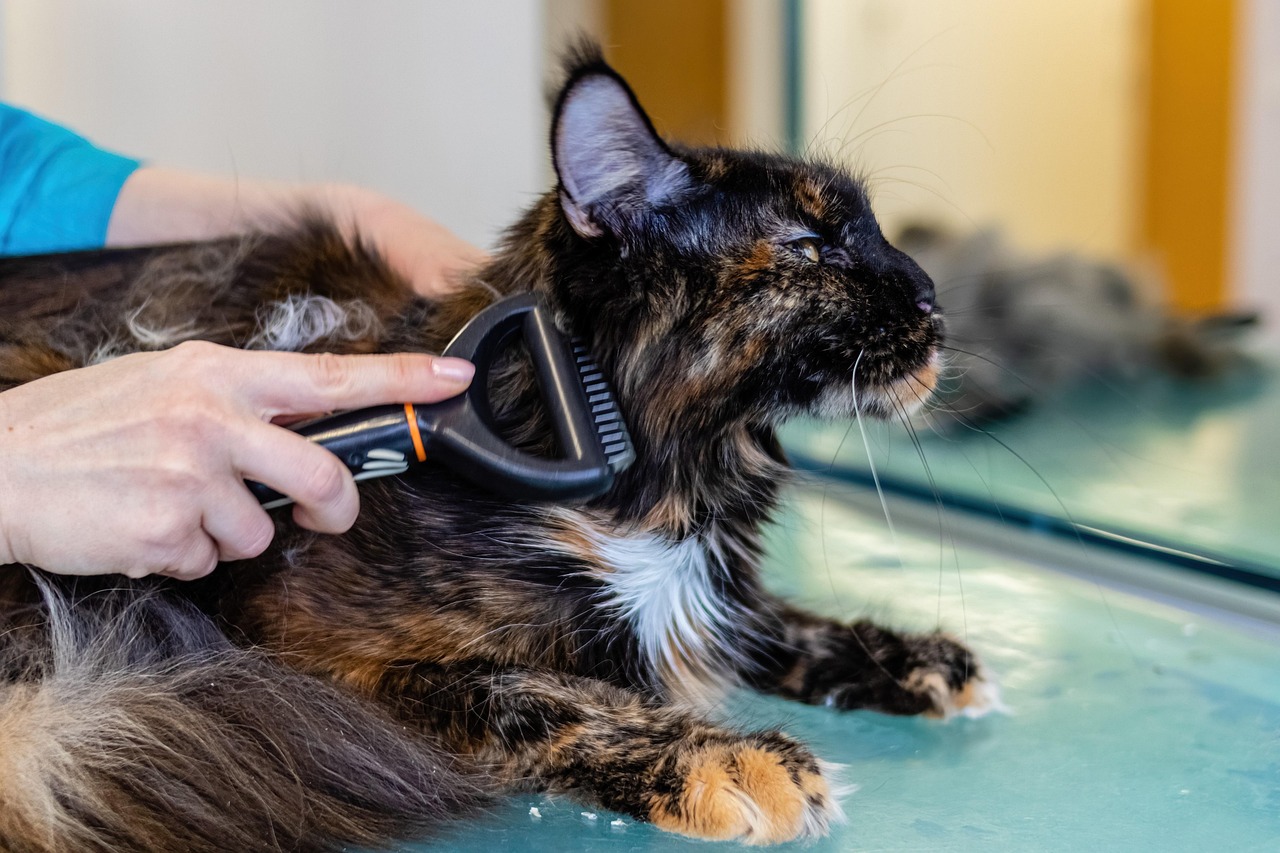
Trim Your Pet’s Nails Safely: Happy Paws
Trimming your pet’s nails can seem like a daunting task, but it is essential for their overall health and well-being. Proper nail care can prevent a variety of issues such as ingrown nails, infections, and discomfort while walking. In this article, we will discuss the importance of nail trimming, how to do it safely, and share some tips to make the process easier for both you and your furry friend.
Why is Nail Trimming Important?
Regular nail trimming is essential for your pet’s comfort and health. When a pet’s nails become too long, they can curve and grow into the paw pad, causing pain, infection, and difficulty walking. Long nails can also affect your pet’s gait, leading to joint issues and arthritis over time.
Moreover, long nails can scratch you, your furniture, and even your pet themselves. Trimming your pet’s nails regularly can prevent these issues and keep your pet happy and healthy.
How to Trim Your Pet’s Nails Safely
Before you start trimming your pet’s nails, it is essential to gather the necessary supplies. You will need a pair of pet nail clippers, styptic powder (to stop bleeding in case you cut the quick), and some treats to reward your pet for good behavior.
It is crucial to use the right type of nail clippers for your pet. Guillotine-style clippers are best for small dogs and cats, while scissor-style clippers are better for larger dogs. Make sure to familiarize yourself with the clippers before starting, and always have the styptic powder on hand just in case.
When trimming your pet’s nails, it is essential to take it slow and be gentle. Start by getting your pet used to the clippers by touching their paws and nails without cutting. If your pet seems anxious or uncomfortable, take a break and try again later.
To trim the nails, hold your pet’s paw gently but firmly, and trim the tip of the nail. Be careful not to cut into the quick, which is the pink part of the nail that contains blood vessels and nerves. If you accidentally cut the quick, apply some styptic powder to stop the bleeding and comfort your pet.
Tips for Easier Nail Trimming
Nail trimming can be a stressful experience for both you and your pet, but there are some tips to make it easier:
- Regularly handle your pet’s paws to get them used to the sensation.
- Use positive reinforcement and treats to reward good behavior.
- Trim the nails in a well-lit area to see the quick better.
- Take breaks if your pet becomes anxious or restless.
Remember, it is okay to seek help from a professional groomer or vet if you are unsure about trimming your pet’s nails yourself. They can provide guidance and ensure your pet’s nails are trimmed safely and effectively.
FAQs
How often should I trim my pet’s nails?
The frequency of nail trimming depends on your pet’s activity level and the type of surface they walk on. In general, most pets need their nails trimmed every 4-6 weeks. However, some pets may need more frequent trims if their nails grow quickly.
How can I tell if my pet’s nails are too long?
If you can hear your pet’s nails clicking on the floor when they walk, it is a sign that their nails are too long. Additionally, if you can see the nails curling or growing into the paw pad, it is time for a trim.
What if my pet’s nails are black?
Trimming black nails can be more challenging because you cannot see the quick. In this case, it is best to trim small amounts at a time and stop when you see a black dot in the center of the nail, indicating you are close to the quick.
Can I use human nail clippers on my pet?
No, it is not recommended to use human nail clippers on pets as they are not designed for the unique shape and thickness of pet nails. Using the right type of pet nail clippers is essential for a safe and effective trim.
In Conclusion
Trimming your pet’s nails is an essential part of their grooming routine. By following the tips and guidelines provided in this article, you can keep your pet’s nails healthy and prevent potential issues down the road.
Remember to be patient and gentle when trimming your pet’s nails, and always prioritize their comfort and safety. If you are unsure about trimming your pet’s nails, do not hesitate to seek help from a professional groomer or vet. Your pet will thank you for keeping their paws happy and healthy!
Happy trimming!