Soothing Techniques for Hyperactive Dogs
Dealing with a hyperactive dog can be challenging for any pet owner. These high-energy animals often require more attention and specialized care to ensure they remain healthy, happy, and well-behaved. In this comprehensive guide, we’ll explore various effective techniques to help soothe your hyperactive dog, enhancing both your lives and promoting a more harmonious home environment.
Understanding Hyperactivity in Dogs
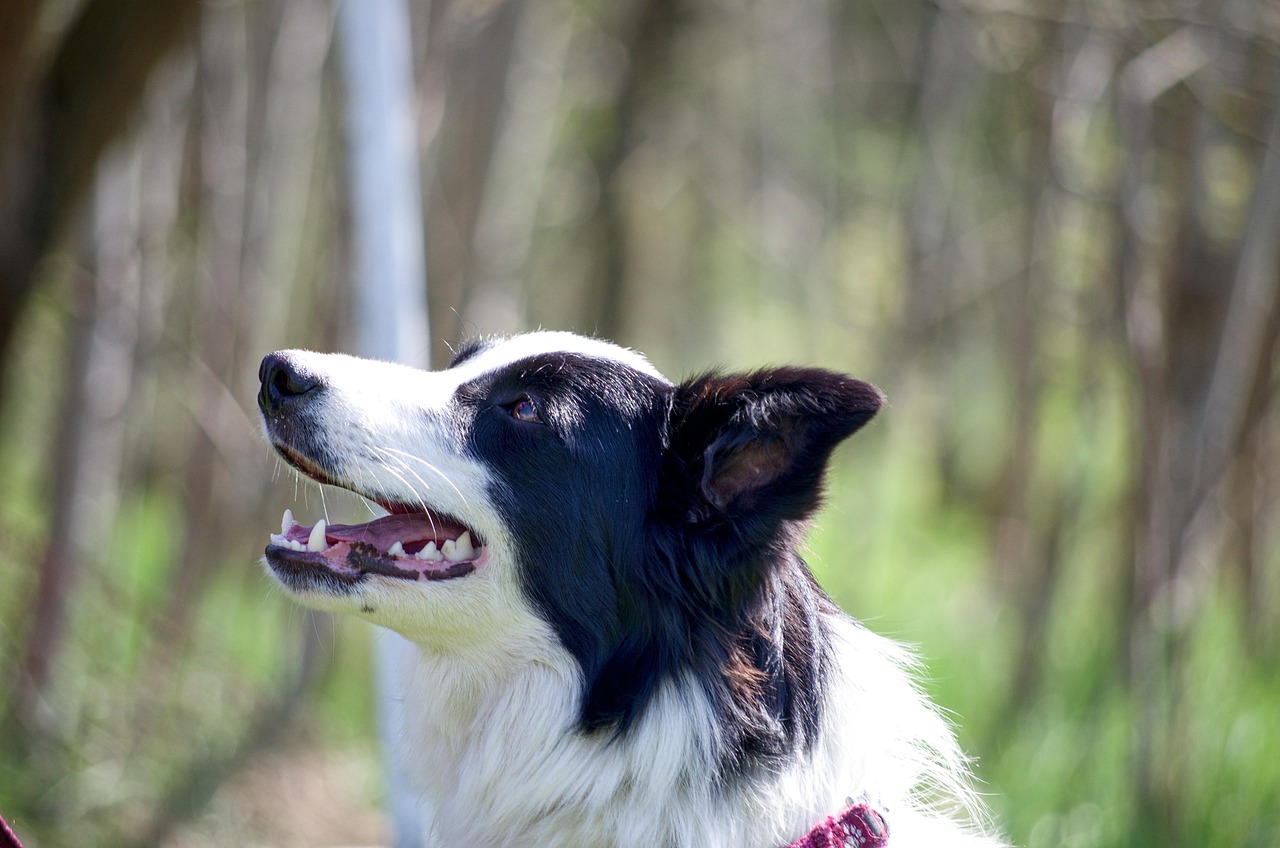
Before addressing the techniques, it’s essential to understand what hyperactivity means in dogs. Hyperactivity in dogs can manifest as excessive energy, impulsivity, and difficulty staying focused. Potential causes include genetics, lack of exercise, and diet. This condition is especially prevalent in certain breeds known for their high energy levels, such as Border Collies and Australian Shepherds.
Enhancing Your Dog’s Environment
Providing Adequate Physical Exercise
Physical exercise is crucial in managing a hyperactive dog’s energy levels. Aim for at least 30-60 minutes of vigorous exercise each day. Activities like running, swimming, and fetch can significantly help burn off excess energy, leading to a calmer, more relaxed dog.
Incorporating Mental Stimulation
Mental exhaustion can be just as effective as physical effort in calming a hyperactive dog. Use puzzle toys, training sessions, and games like hide and seek to challenge your dog’s mind and provide essential mental stimulation.
Dietary Considerations
What your dog eats can influence their behavior. High-energy dogs might benefit from a diet lower in carbohydrates and higher in proteins and fats, which can promote sustained energy release throughout the day. Consult with a vet or a pet nutritionist to find a suitable diet plan that meets your dog’s specific needs.
Behavioral Training Strategies
Positive Reinforcement Training
Positive reinforcement techniques, such as treats or praises, are effective in promoting good behavior. Training your hyperactive dog with consistent, positive interactions can help them learn desirable behaviors and improve their overall impulse control.
Establishing a Routine
Routine is comforting to dogs, especially those exhibiting hyperactive tendencies. Establish a consistent schedule for meals, walks, playtime, and rest. This predictability can reduce anxiety and excitability, leading to a calmer demeanor.
Relaxation Techniques
Calming Massages and Touch Therapy
Gentle massage or touch therapy can significantly reduce your dog’s anxiety and hyperactivity. Focus on long, slow strokes along the body, and pay particular attention to areas behind the ears, under the chin, and around the shoulders.
Aromatherapy and Soothing Sounds
These can also be enlisted to create a calming environment for your hyperactive dog. Products containing lavender and chamomile can be particularly soothing, while soft music or white noise can help mitigate the overstimulation often experienced by hyperactive dogs.
Professional Help and Support
If home remedies and adjustments do not yield the desired calmness in your dog, it might be time to seek professional help. A certified dog behaviorist can observe your dog’s behavior, identify specific triggers, and tailor a more personalized calming strategy.
Common Questions About Managing Hyperactive Dogs
Can Exercise Increase a Dog’s Hyperactivity?
While exercise is essential for energy management, it is crucial to balance it properly. Over-exercise can sometimes increase a dog’s arousal levels and hyperactivity, especially if not coupled with mental stimulation and relaxation techniques.
Are Certain Breeds More Prone to Hyperactivity?
Yes, some breeds, especially working breeds like Shepherds, Retrievers, and Terriers, are more prone to hyperactivity due to their energy levels and work ethics. Customizing activities to fulfill their breed-specific needs can be particularly effective in managing their behaviors.
How Long Will It Take to See Improvement?
Improvement can vary depending on the dog’s temperament, the consistency of the implemented techniques, and individual circumstances. Generally, you can expect to see changes within a few weeks, but full behavioral adjustments can take longer.
Conclusion
Managing a hyperactive dog is undeniably challenging, but with the right strategies and patience, you can significantly improve your dog’s behavior. By understanding and addressing the factors contributing to hyperactivity, you can bring out the best in your pet and enjoy a more peaceful, rewarding relationship. Remember, consistency is key, and every dog is different. Adjust these techniques as needed and consult professionals when unsure.