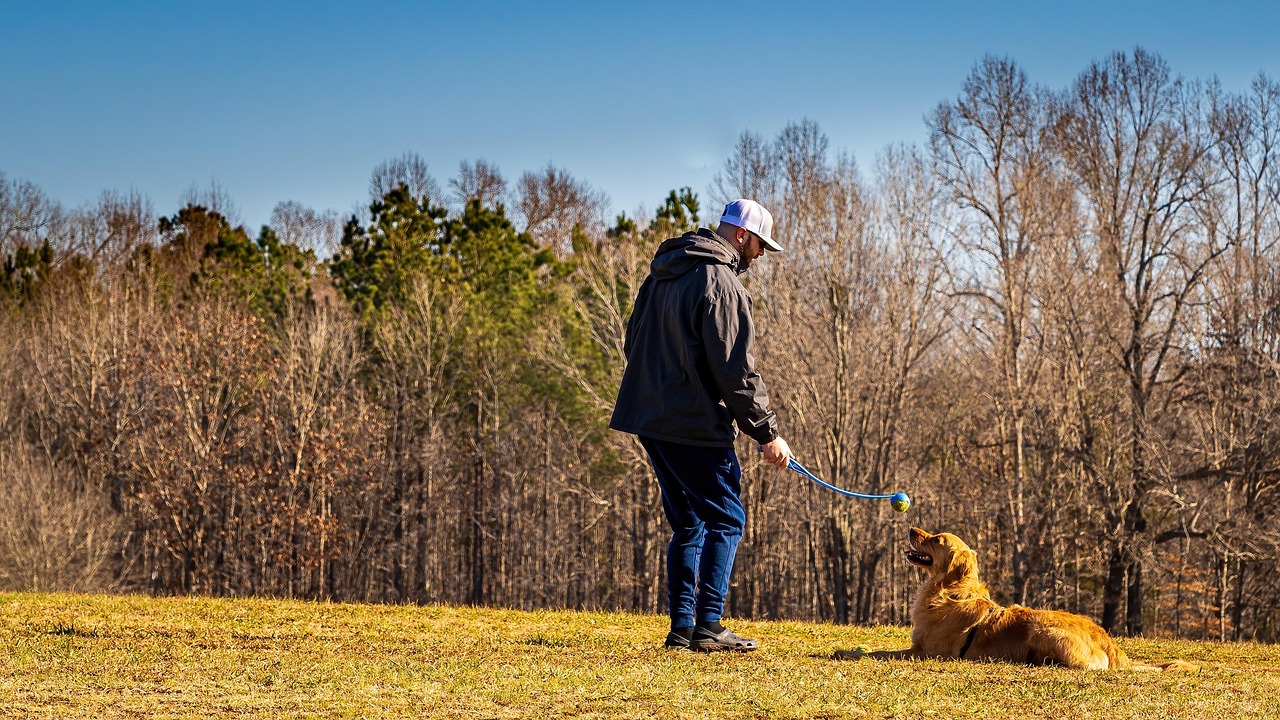
Essential Dog Training Tips for First-Time Pet Owners
Welcoming a new dog into your home is an exciting experience, but it can also present challenges, particularly regarding training. For first-time pet owners, knowing where to start with dog training can be daunting. However, with the right techniques and a consistent approach, training your new pet can be a rewarding experience. Here, we’ll guide you through essential dog training tips to help you and your furry friend enjoy a harmonious relationship.
Understanding the Basics of Dog Training
Before diving into specific training methods, it’s important to understand some fundamental principles that underlie all aspects of dog training. Training should be based on positive reinforcement, patience, consistency, and understanding of your dog’s needs and behavior.
Positive Reinforcement
Positive reinforcement involves rewarding your dog for good behavior, which encourages them to repeat it in the future. Rewards can be treats, praise, or playtime. This method builds a bond of trust and cooperation, making training sessions a positive experience for both you and your pet.
Consistency is Key
Consistency is crucial in training. This means using the same commands and rewards every time a specific behavior is taught. Consistency helps your dog understand what is expected of them, reducing confusion and speeding up the learning process.
Essential Training Commands
The Sit Command
One of the first commands you should teach your dog is “Sit.” To teach this command:
- Hold a treat close to your dog’s nose and move your hand up, allowing their head to follow the treat and causing their bottom to lower.
- Once they’re in the sitting position, say “Sit,” give them the treat, and share affection.
The Come Command
Teaching your dog to come when called is vital for their safety and your peace of mind.
- Start in a quiet environment without distractions.
- Put a leash and collar on your dog.
- Crouch down at their level and pull gently on the leash while saying “Come,” followed by their name.
- Reward them with treats and affection when they come to you.
The Stay Command
“Stay” is an important command for controlling your dog and ensuring they remain safe.
- Ask your dog to “Sit.”
- Open the palm of your hand in front of you, say “Stay,” and take a few steps back.
- Reward them with a treat if they stay.
- Increase the number of steps gradually over training sessions.
Addressing Common Training Challenges
First-time dog owners often encounter a few common behavioral challenges. Here’s how to manage them:
Excessive Barking
Excessive barking can often be a sign of anxiety, boredom, or a need for attention. To reduce barking:
- Ensure your dog gets plenty of exercise and mental stimulation.
- Teach them the “Quiet” command by using treats to reward them when they stop barking on command.
Chewing
Puppies, in particular, are prone to chewing when teething. To manage chewing:
- Provide plenty of chew toys.
- Keep items you don’t want chewed out of reach.
- Use deterrent sprays on furniture to discourage chewing.
Maintaining Ongoing Training and Education
Dog training is not something that can be completed in a few sessions—it’s a continuous part of dog ownership. Supporting ongoing training includes:
Regular Reinforcement
Continue to practice commands and reward good behavior consistently to reinforce the learning. This helps maintain discipline and strengthens your bond.
Advanced Training Classes
Once your dog has mastered the basics, consider enrolling them in advanced classes. This can help them learn more complex commands and behaviors, such as heel, fetch, or agility training. It’s also a great way to continue socializing your pet with other dogs and people.
Socialization
Socializing involves exposing your dog to various environments, animals, and people. This helps them become more adaptable and less fearful in different situations. Make socialization a part of your routine to help your dog become more well-rounded and confident.
Conclusion
Training a dog takes time, patience, and commitment, but the rewards are immense. By implementing these training tips, first-time pet owners can look forward to developing a strong, loving relationship with their dog, based on mutual respect and understanding. Remember, every dog is unique; what works for one may not work for another. Be patient, stay consistent, and enjoy this special time with your new companion.