Mastering the Pack: Strategies for Training Multiple Dogs at Home
Training multiple dogs in a single household can often seem challenging. From maintaining order to ensuring each dog receives individual attention, the task demands patience, consistency, and strategic planning. In this in-depth guide, we provide comprehensive strategies targeted at homeowners looking to master the art of training multiple dogs effectively. By incorporating these proven tactics, you not only enhance your dogs’ behavioral skills but also foster a peaceful and cooperative home environment.
Understanding the Dynamics of Multiple Dogs
Before diving into training techniques, it’s crucial to acknowledge the unique dynamics that emerge when multiple dogs share a space. Dogs are pack animals by nature, and they naturally establish a pecking order, which affects their interactions and behavior. Recognizing the role each dog plays in your household hierarchy helps tailor your training to accommodate their individual needs and personality traits.
Establishing a Foundation: Basic Obedience Training
Initiating your training regimen with basic obedience is key in laying a foundation for all dogs. Commands like sit, stay, come, down, and heel are essential. When training multiple dogs, it’s beneficial to start sessions individually to avoid distractions and to tailor the pace according to each dog’s learning curve.
One-on-One Sessions
Begin with individual training sessions to establish a basic level of obedience and to strengthen your bond with each dog. This approach helps in recognizing the unique strengths and weaknesses of each pet, allowing for customized training strategies that accommodate different learning styles.
Group Sessions
Once each dog has mastered basic commands on their own, gradually introduce group training sessions. This teaches them to follow commands despite external distractions, a common scenario in multi-dog households. Ensure you maintain control and focus during these sessions, rewarding not only correct behavior but also calm, cooperative interaction between the dogs.
Dealing with Behavioral Issues
Behavioral issues can be magnified in multi-dog households, ranging from aggression and resource guarding to excessive barking. Address these issues head-on by identifying the triggers and context in which these behaviors occur. Providing ample mental and physical exercise can also help mitigate stress and boredom, often underlying causes of negative behaviors.
Resource Management
Ensure each dog has access to their own toys, beds, and bowls to reduce competition. Feeding dogs separately can prevent food aggression and make meal times a calm affair. Regularly rotating toys and chews can keep territorial behavior in check.
Advanced Training Techniques
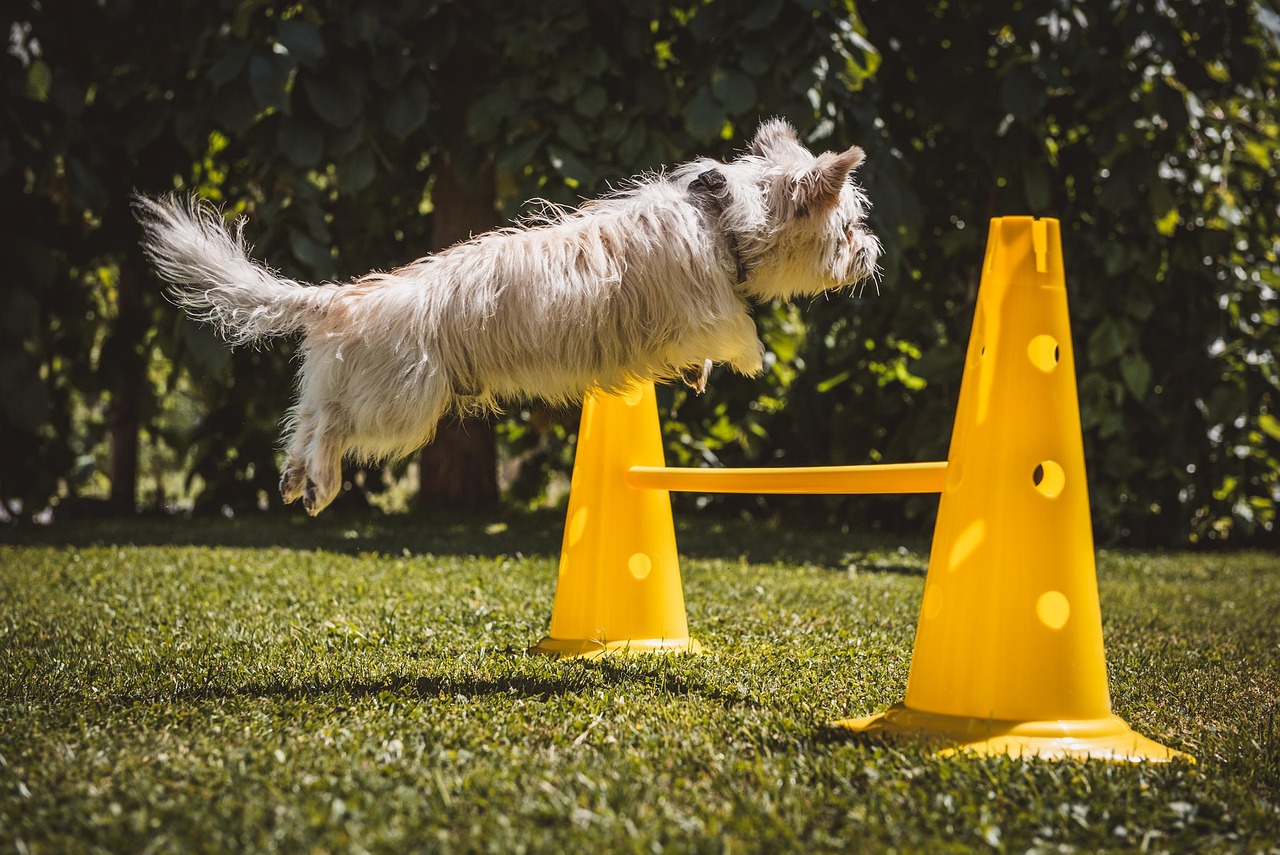
After establishing basic obedience, integrating advanced commands or tricks can further refine your dogs’ skills and offer mental stimulation. Activities like agility training, scent work, or even simple tricks add variety and excitement to the routine, keeping training engaging for all dogs.
Consistency is Key
Regardless of the training stage, consistency across the board in commands, rewards, and discipline ensures clear communication and effective learning. Use uniform commands and maintain consistent rules in every interaction, which helps prevent confusion and solidifies learning.
Creating a Positive Training Environment
Fostering a positive, reward-based training environment encourages enthusiasm for learning among dogs. Use treats, praise, and playtime as rewards. Understanding each dog’s motivations—be it food, affection, or toys—can enhance the effectiveness of your training sessions.
Addressing Common Questions in Multi-Dog Training
How do I handle jealousy among my dogs during training sessions?
Manage jealousy by ensuring training sessions are balanced and fair. Switching which dog starts the training session daily or occasionally giving individual attention can help manage feelings of neglect or rivalry among your pets.
What if one dog learns faster than the others?
Dogs learn at different rates. Ensure that faster learners are not held back, nor are slower learners pushed too rapidly. Supplement group training sessions with individual sessions to cater to each dog’s pace without causing frustration or stress.
Conclusion: Patience and Persistence
Training multiple dogs at home is an ongoing process that requires patience, persistence, and a profound understanding of each dog’s individual personality and needs. By employing these strategies, you can effectively manage and train your canine pack, leading to a harmonious and disciplined household. Celebrate small victories and maintain a positive, consistent approach for the best results in your multi-dog training endeavors.
Mastering the art of training multiple dogs is not only about teaching obedience; it’s about nurturing a structured and loving environment where all dogs can thrive. Embrace the journey, and enjoy the unique bond that forms when you and your dogs learn and grow together.