Easing the Worry: Proven Strategies for Alleviating Canine Separation Anxiety
Canine separation anxiety is a prevalent issue among dog owners, characterized by dogs exhibiting distress and behavior problems when left alone. Addressing this issue not only improves the quality of life for our furry friends but also for their human companions. This comprehensive guide offers proven strategies to alleviate canine separation anxiety, providing relief and fostering a happier, healthier relationship between you and your dog.
Understanding Canine Separation Anxiety
Separation anxiety in dogs manifests in various ways, including excessive barking, destruction, escaping, and pacing when left alone. It’s essential to understand that these behaviors are not acts of spite or mischief but signs of genuine distress. Recognizing the symptoms early can lead to more effective management and treatment.
Common Signs of Separation Anxiety in Dogs
- Excessive barking or howling when alone
- Destructive behaviors like chewing and digging
- Attempts to escape from the crate or room
- Pacing or restlessness
- Accidents within the home despite being house trained
Preventative Measures to Avoid Separation Anxiety
Prevention is often easier than cure. Introducing routines and habits early can significantly reduce the likelihood of developing severe separation anxiety.
Crate Training
Crate training serves as a safe haven for your dog, simulating a den-like environment which can be incredibly soothing. Ensure the crate is comfortable and that positive associations are made with it through treats and meals served inside the crate.
Gradual Desensitization
Gradually accustom your dog to being alone. Start with short departures, gradually increasing the time you are away. This method helps your dog learn that being alone is not a permanent or scary situation.
Consistent Routine
Establishing a predictable routine helps reduce anxiety because your pet knows what to expect throughout the day. This routine should balance exercise, play, and relaxation to optimize your dog’s mental and physical health.
Training Techniques to Address Existing Separation Anxiety
If your dog already shows signs of separation anxiety, here are some strategies to help manage and alleviate the condition.
Counter-Conditioning
Counter-conditioning transforms a negative experience into a positive one. Try giving your dog a special treat or toy when you leave (something they only get at this time) to create a positive association with your departure.
Obedience Training
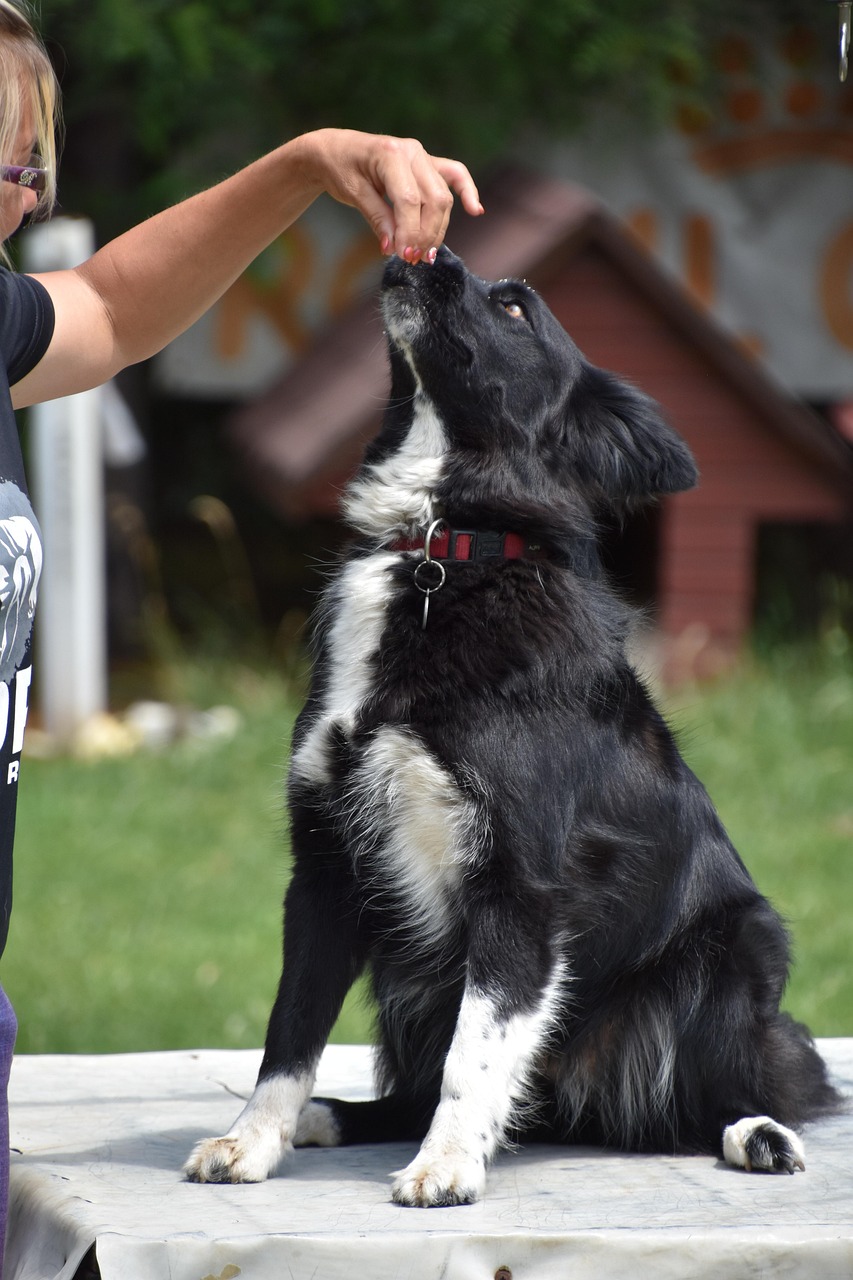
Obedience training can boost your dog’s confidence and decrease anxiety. Basic commands like sit, stay, and come are essential for mental stimulation and discipline.
Professional Help
If the anxiety is severe, consider enlisting the help of a professional dog trainer or a behaviorist. They can tailor training techniques and strategies specific to your dog’s needs.
Treatment Options for Severe Cases
In cases where behavioral strategies alone do not suffice, additional treatments might be necessary.
Pharmaceutical Options
Certain medications can help manage severe separation anxiety in dogs. Always consult a veterinarian before giving any medication to ensure it’s suitable for your pet’s health condition.
Natural Supplements
Natural supplements like CBD oil or calming chews can also provide relief without the potential side effects of stronger medications. Again, consult with a vet to choose the best option for your dog.
Technology and Gadgets
Technological advances have made monitoring and comforting your pet easier than ever. Interactive cameras, smart toys, and even anxiety vests can play a significant role in soothing an anxious dog.
Real-life Success Stories
Success comes through a combination of patience, the right strategies, and sometimes a touch of creativity. Many dog owners have found that a mix of the above techniques, tailored to their pet’s unique situation, has led to significant improvements. From young puppies to older dogs, it’s never too late to seek a happier, more stable life for your anxious pet.
Conclusion
Canine separation anxiety is a challenging ordeal but managing it effectively is entirely possible. With the right knowledge, techniques, and sometimes professional guidance, you can alleviate your dog’s distress. Remember, each dog is unique, and what works for one might not work for another. Patience and persistence are key in transforming your pet’s anxiety into confidence. As you implement these strategies, your furry friend will learn to cope with separation more positively and healthily, leading to a more peaceful home environment for everyone involved.
Combatting canine separation anxiety effectively enhances the well-being of both pets and their owners. By understanding the symptoms, employing preventive measures, and applying appropriate training methods, you can make a noticeable difference in your dog’s life and your own.
FAQs About Canine Separation Anxiety
How long can it take to correct separation anxiety in dogs?
The time it takes to correct canine separation anxiety varies significantly depending on the severity of the condition and the specific strategies employed. Some dogs might show improvement within a few weeks, while others may need a few months of consistent effort.
Are certain breeds more prone to separation anxiety?
Yes, some breeds are more prone to developing separation anxiety, including Labrador Retrievers, Border Collies, Jack Russell Terriers, German Shepherds, and Australian Shepherds. However, any dog can develop separation anxiety, regardless of breed.
Can separation anxiety resolve on its own?
It is highly unlikely that separation anxiety will resolve without intervention. Implementing the strategies discussed and seeking professional advice are crucial in managing and eventually overcoming the condition.
By focusing on these key elements, adopting a comprehensive approach, and being consistent with interventions, you can transform a stressful situation into a manageable one, fostering a stronger bond with your pet.